This case focuses on a 200 tons per hour (TPH) crushing and screening plant designed to process andesite, a hard and abrasive volcanic rock, for high quality construction aggregates.
Case Details
200 TPH Andesite Crushing Plant In Indonesia, Central JavaProject OverviewThis case focuses on a 200 tons per hour (TPH) crushing and screening plant designed to process andesite, a hard and abrasive volcanic rock, for high quality construction aggregates.
Equipment and ProcessThe plant uses a three stage process to efficiently produce high-quality aggregates. Its core components include:
- Primary Crushing (Jaw Crusher-PE600*900): The process begins with a vibrating feeder that sends the raw rock (up to 600mm) into a jaw crusher. This robust machine is responsible for the initial heavy breaking of the hard granite.
- Secondary Crushing (Impact Crusher-PF1315): The crushed material is then sent to a secondary impact crusher. This stage further reduces the stone size and, crucially, shapes the particles into a cubical shape, which is highly valued in construction for its strength and stability.
- Screening & Automation (Vibrating Screen & Automation System): A vibrating screen separates the material into four precise final products. An automation system is also integrated to allow for real-time monitoring and efficient operation.
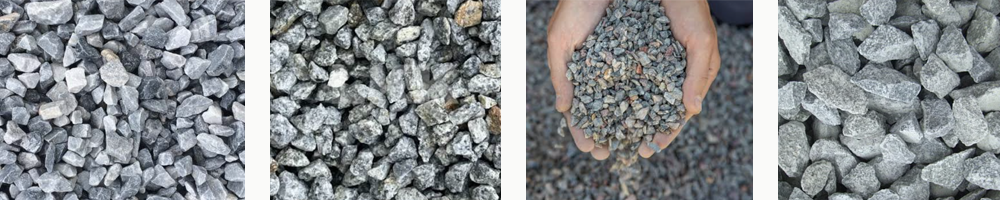
Final Product SpecificationsThe plant is designed to produce four distinct, high-demand aggregate sizes for different construction applications:
- 0-6 mm:Fine aggregates for concrete production
- 6-10 mm:Asphalt and concrete mixes
- 10-14 mm:Road base and infrastructure filling
- 14-20 mm:Durable concrete and foundation materials
 Secondary Crusher Selection: Cone vs. Impact
For hard, abrasive rocks like andesite (150-200 MPa compressive strength), a cone crusher is often preferred over an impact crusher. While impact crushers are excellent for shaping softer stone, cone crushers are more durable and have lower wear-part costs when processing hard rock .
Project ResultsThe project was highly successful, with the plant consistently exceeding its target output (210 TPH) . The final aggregates met strict quality standards with less than 8% flakiness, making them ideal for asphalt and concrete. Additionally, the plant achieved downtime of less than 2% due to durable components and a proactive maintenance strategy.
Alternative Configuration: Mobile Crushing StationFor projects requiring high flexibility, such as operating in multiple quarries or on challenging terrain, a tracked mobile crushing station offers a viable alternative. 200 TPH mobile plant deployed on Java Island can traverse complex terrain, relocate quickly, and efficiently process hard rock and river stones without the need for extensive civil works.

