This case documents a fixed crushing plant designed for small to medium quarry operations. It is optimized to process local materials, such as river pebbles from the nearby Cagayan River, as well as basalt and andesite found in the region.
Case Details
80 TPH River Stone Crushing Plant Located In Tuguegarao, North PhilippinesProject OverviewThis case documents a fixed crushing plant designed for small to medium quarry operations. It is optimized to process local materials, such as river pebbles from the nearby Cagayan River, as well as basalt and andesite found in the region.
Plant Configuration and Process FlowThe plant uses a two-stage crushing and screening process. The primary equipment is selected for its durability and efficiency in handling hard, abrasive materials.
- Feeding:GZT0826 Vibrating Feeder, Feed size ≤400mm; ensures a smooth, controlled feed to the primary crusher.
- Primary Crushing:PE-500×750 Jaw Crusher, Max feed size: 425mm; Output size: 50-100mm (adjustable); handles the initial heavy breaking.
- Secondary Crushing:PYB-900 Cone Crusher, Max feed size: 115mm; Output: 15-40mm (adjustable); performs secondary crushing for finer material.
- Screening:3YK1548 Vibrating Screen (3 decks), Separates material into four final sizes, with a total capacity of 50-100 TPH.
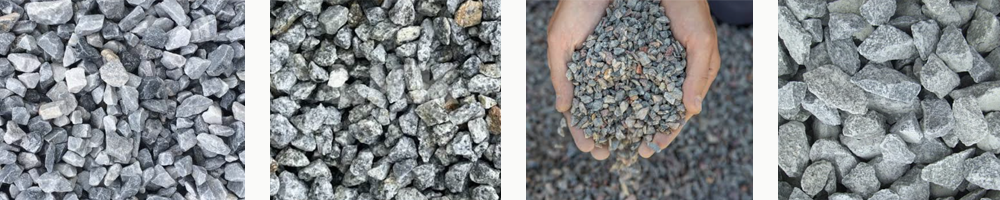
Final Product SpecificationsThe plant is designed to produce four marketable aggregate sizes for different construction applications:
- 0 – 5 mm-Manufactured sand for concrete and mortar.
- 5 – 10 mm-Small aggregate for concrete mixes.
- 10 – 20 mm-Medium aggregate for road base construction.
- 20 – 40 mm-Coarse aggregate for drainage and structural fill.
 Power and Capacity
- Total Installed Power: Approximately 130 kW.
- Production Capacity: The plant operates at 70-80 TPH, with the exact output adjustable based on the hardness of the feed material.
Key Considerations: Cone vs. Impact CrusherThe choice of a cone crusher for the secondary stage is a key decision. For hard, abrasive materials like river stone, a cone crusher is preferred over an impact crusher because it is more durable and has lower wear-part costs. The cone crusher uses a "laminating crushing" principle (squeezing rock between two surfaces), which is more efficient for this type of material and helps produce a better cubical shape for aggregates.
For larger river stone projects in the Philippines, a tertiary Vertical Shaft Impact (VSI) crusher is often added after the cone crusher to produce high-quality manufactured sand (M-Sand) with excellent particle shape.

