IntroductionMobile Stone Crusher Plant for Construction Waste is an integrated, portable processing unit designed to transform demolition debris, concrete rubble, and mixed construction waste into reusable aggregates directly on-site. Unlike stationary crushers, this mobile solution offers significant advantages in flexibility, cost-efficiency, and environmental sustainability for modern construction and demolition projects.
The primary purpose of this plant is to recycle waste materials, turning them into valuable resources for new construction, road base, or other applications. By processing material at the demolition site, it drastically reduces the need for transporting heavy waste to landfills, lowering both costs and carbon footprint. The plant's modular and mobile nature allows for rapid deployment and reconfiguration to suit various project scales and material types.
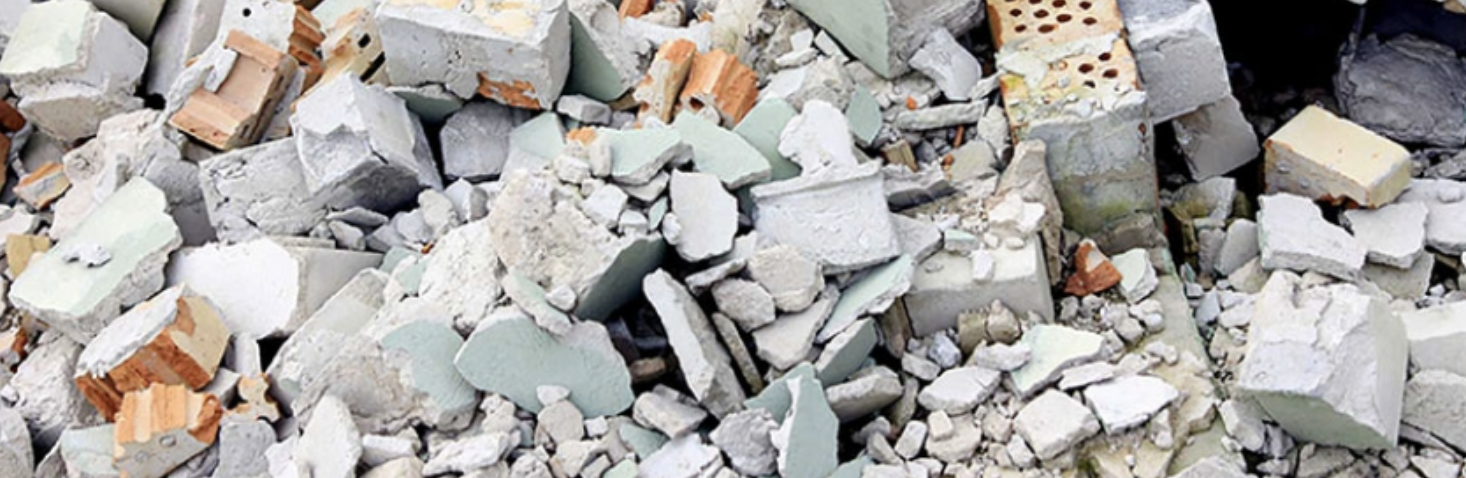
This equipment is a cornerstone of the circular economy in the construction industry, promoting sustainable material management and compliance with increasingly stringent environmental regulations.
DesignThe design of a mobile construction waste crushing plant prioritizes mobility, integration, and adaptability. The core philosophy is to bring the processing plant to the material, eliminating the need for costly and time-consuming material transport.
- High Mobility: The plant is mounted on either wheeled tires or tracked crawlers, allowing it to be easily moved by a truck or operated independently. This ensures quick setup and relocation between different job sites or even within a single, large demolition area.
- Integrated, Compact Design: All key processing equipment—the feeder, crusher, screen, and conveyors—are integrated onto a single mobile chassis. This compact, modular design reduces the space required for operation, making it ideal for urban demolition sites with limited working areas.
- Modularity: The system is highly customizable. Plants can be configured for different stages of crushing (primary, secondary, tertiary) and can incorporate various crusher types (jaw, impact, cone) based on the hardness of the material and the required final aggregate specifications.
Equipment ListComplete mobile plant typically consists of a combination of units that work in sequence to process the material. A classic setup is composed of a mobile jaw crusher for primary reduction and a mobile impact crusher for secondary crushing and shaping. The process and typical equipment include:
Feeding & Pre-SortingEquipment: Vibrating Grizzly Feeder. This receives the raw construction waste from an excavator or loader.
Process: The feeder moves material to the crusher. Its grizzly section screens out fine soil and small debris, while an integrated magnetic separator can be used to remove steel rebar and other ferrous metals, protecting downstream equipment.
Primary CrushingEquipment: Mobile Jaw Crusher. This is the workhorse for the first stage of reduction.
Process: It uses high-pressure compression to break down large chunks of concrete and rubble (over 800mm) into a more manageable size of 100-150mm. The robust design is ideal for handling mixed and reinforced waste.
Secondary Crushing & ShapingEquipment: Mobile Impact Crusher (or Cone Crusher for harder rock). The impact crusher is particularly effective for construction waste as it produces a better-shaped, cubical final product.
Process: This stage further reduces the material and shapes it into high-quality aggregates suitable for use in concrete or road base. The output size can be adjusted (typically 0-5mm, 5-10mm, 10-20mm, 20-31.5mm) based on project requirements.
Screening & ClassificationEquipment: Mobile Vibrating Screen. This unit is often the final stage in the process.
Process: It separates the crushed material into different sized finished products (aggregates). Oversized material is commonly recirculated back to the crusher for further processing, ensuring maximum utilization of the raw feed.
Material HandlingEquipment: Mobile Belt Conveyors. These integrated conveyors transport material between the different processing stages and stockpile the final products. An example transport dimension for a typical unit is 13,200 x 2,900 x 4,700 mm.
Important Notes for OperationTo ensure safe, efficient, and durable operation, the following points are critical:
Site Preparation and Leveling: The plant must be set up on a stable, level surface. A machine that is not properly leveled will experience uneven wear on all components, including the feeder, screens, and crushing chambers, and will have reduced efficiency.
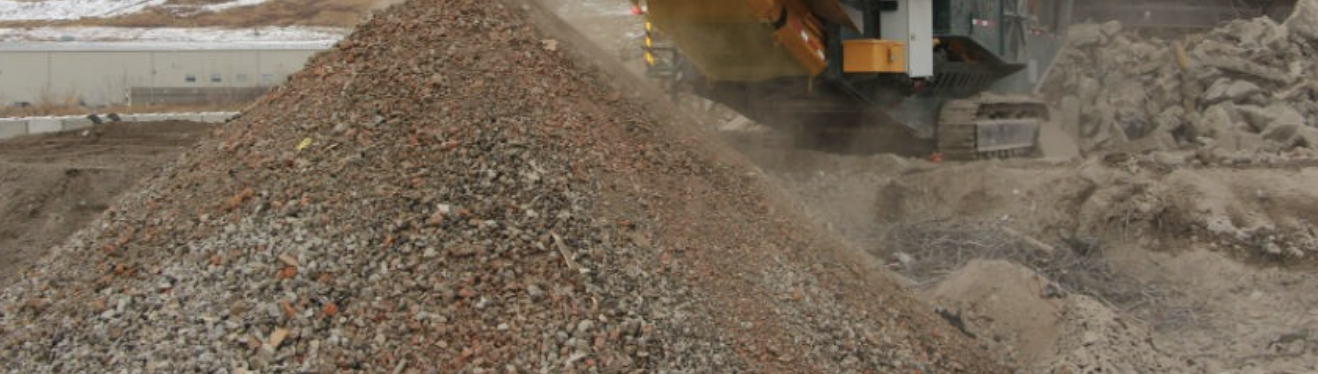
Dust and Environmental Control: Crushing generates significant dust. Effective dust suppression systems are crucial for operator health, environmental compliance, and protecting the machine's engine from overheating and increased wear. Regular maintenance of dust seals and side-skirting on conveyors is vital.
 Maintenance
- Feed System: Ensure the feed is consistent and does not overload the crusher. The condition of the feeder and its grizzly bars should be checked regularly.
- Jaw Crusher: The fixed and swing jaws are the primary wear parts. They are often reversible; once one side wears down, the jaw can be flipped to use the other side. Daily visual checks are recommended.
- Impact Crusher: Blow bars and impact aprons wear out more quickly and require regular inspection. Maintenance intervals depend on the material being crushed and should be tracked closely. Daily checks through the inspection hatch are essential to prevent wear-through, which can compromise the crusher structure.
- Engine and Hydraulics: In dusty environments, radiators and air filters can become clogged. Regular cleaning and filter changes are necessary to prevent overheating and engine problems. Maintain the hydraulic system according to the manufacturer's schedule.
- Safety: Always follow all manufacturer safety guidelines. This includes ensuring walkways are clear of dust and debris, using lock-out/tag-out procedures during maintenance, and using personal protective equipment (PPE).


